
Wear More Spend Less Cost Per Wear Tips
We have all been there. It’s a rainy Tuesday, and you are rushing to work, only to feel that familiar, damp seep of cold water soaking into your socks. You look down at the stylish boots you bought just two months ago for a "steal" of $20. The sole is peeling, the heel feels wobbly, and the faux leather is cracking.
This is the cycle of fast fashion burnout. It is the frustrating feeling of constantly spending money yet having "nothing to wear" because your closet is full of items that don't last, don't fit well, or have lost their shape after a single wash.
But here is the good news: breaking this cycle doesn't require a millionaire’s budget. Living with intention and style isn’t about how much you spend upfront; it is about how much value you get out of what you own. By mastering the Cost Per Wear fashion strategy, you can actually spend less money in the long run while enjoying a wardrobe that looks and feels premium.
In this guide, we will walk through the mathematics of style, how to spot true durability, and how to build a sustainable, high-quality wardrobe on a budget.

Understanding the Cost-Per-Wear Concept
At its core, the Cost Per Wear (CPW) fashion strategy is a mindset shift from "sticker price" to "lifetime value." When we shop, we often fixate on the price tag alone. However, the real cost of an item is determined by how often you use it.
The formula is simple: Total Cost of Item ÷ Number of Times Worn = Cost Per Wear
Let’s look at the boot example:
- The "Cheap" Choice: You buy a pair of trendy $20 boots. Because they are uncomfortable and poorly made, you wear them 10 times before they break or hurt your feet too much to wear again.CPW: $20 ÷ 10 wears = $2.00 per wear.
- The "Investment" Choice: You buy a pair of high-quality $100 boots. They are durable, water-resistant, and mold to your feet. You wear them 100 times over two winters.CPW: $100 ÷ 100 wears = $1.00 per wear.
In this scenario, the expensive boots are actually 50% cheaper to own than the budget option.
Smart Shopping Tip: To improve your CPW even further, use price-tracking browser extensions or apps. These tools can alert you when that "investment piece" drops in price, lowering your initial cost and maximizing your long-term value immediately.
Fast Fashion vs Slow Fashion
The debate of slow fashion vs fast fashion isn't just about ethics; it is about your daily peace of mind. Fast fashion is designed to be disposable. It mimics trends at lightning speed using low-grade materials, encouraging a "wear once and toss" mentality. This leads to a cluttered closet, decision fatigue, and the environmental guilt of contributing to textile waste.
Slow fashion, on the other hand, prioritizes quality over quantity. It is about curating a closet that serves you, rather than one you have to constantly manage.
- The Fast Fashion Trap: High turnover, constant shopping trips, and the stress of zippers breaking at inconvenient times.
- The Slow Fashion Advantage: A cohesive wardrobe where everything matches, fabrics feel good against your skin, and you spend less time getting dressed in the morning.
Deal Integration: You don't have to pay full price for slow fashion. Many premium brands offer "archive" sales or off-season discounts. signing up for newsletters from sustainable brands can often net you a 10-15% "welcome" code, making the switch to quality more affordable.
Choosing Investment Pieces That Last
Not everything in your closet needs to be an investment piece. Your workout tees or gardening clothes don't necessarily need to be top-tier luxury. However, investment pieces for wardrobe foundations should be where you allocate your budget. These are the items that take the heaviest beating in your daily life.
Top Candidates for Investment:
- Footwear: Boots and daily sneakers need to support your body weight and withstand pavement.
- Outerwear: A classic trench or wool coat protects you from the elements and rarely goes out of style.
- Denim: High-quality denim holds its shape without sagging after a few hours of wear.
- Handbags/Work Bags: These carry your life (and laptop) and need strong straps and hardware.
When you buy these items, you aren't just buying a look; you are buying reliability.
Smart Shopping Tip: Look for loyalty programs at major department stores. Often, you can earn points on daily essentials that can be redeemed for significant discounts on these higher-ticket investment items.
.webp)
Building a Capsule Wardrobe for Sustainable Style
One of the most effective ways to lower your CPW is by building a capsule wardrobe. This concept involves curating a small collection of versatile items that can be mixed and matched to create dozens of outfits.
When you own fewer items, you wear each of them more frequently, driving your Cost Per Wear down to pennies.
- The Core Palette: Stick to neutrals (black, navy, beige, gray, white) for your expensive basics. This ensures they match everything.
- The Accent: Use cheaper accessories (scarves, jewelry) to add seasonal color trends without buying a whole new outfit.
- The Math: If you own a $50 blouse that only matches one skirt, you might wear it twice a year. If that same blouse matches three pairs of trousers and two jeans, you might wear it 20 times a year.
Deal Integration: When building a capsule, look for "bundle" deals online. Many retailers offer discounts when you buy "essential packs" (e.g., three t-shirts or a jeans-and-tee combo) which is perfect for capsule building.
Finding Durable Clothing Brands on a Budget
Finding durable clothing brands doesn't mean you must shop exclusively at luxury boutiques. It requires learning to read the label and inspect the garment, regardless of the store.
How to Spot Quality
Fabric Check: Look for natural fibers like cotton, wool, linen, or high-grade viscose. Avoid 100% acrylic knits which tend to pill immediately.
The Light Test: Hold the fabric up to a light. If it's a "heavyweight" cotton tee but you can see right through it, it won't last.
Seam Stress: Gently pull at a seam. If you see gaps or the thread looks loose, put it back.
Pattern Matching: On high-quality items (like plaid shirts), the pattern will line up at the seams.
Sustainable fashion on a budget is possible if you know where to look.
Smart Shopping Tip: Don’t ignore the secondhand market. Sites for "pre-loved" fashion often sell high-end, durable brands for the same price as new fast fashion. You get the quality construction without the depreciation hit.
Practical Tips to Maximize Cost-Per-Wear Daily
Once you have acquired these better pieces, your habits will determine their lifespan. Cost-efficient fashion habits extend the life of your clothes, keeping your money in your pocket.
The Rotation Rule: Never wear the same pair of leather shoes two days in a row. They need 24 hours to dry out from internal moisture. This simple habit can double their lifespan.
Wash Less, Wash Cold
We often over-wash our clothes. unless it's gym wear or visibly dirty, items like jeans and wool sweaters can be worn multiple times before washing. Always wash on cold to prevent fiber breakdown.
Repair, Don’t Replace: A missing button or a broken zipper is a $5 fix at a local dry cleaner or a 10-minute DIY, not a reason to trash a $50 garment.
Deal Integration: Keep an eye on seasonal clearance events (End of Summer / End of Winter). This is the prime time to buy your "next year" investment pieces at up to 70% off, drastically improving your future CPW.

Conclusion
Adopting the Cost-Per-Wear strategy is about more than just math; it is a declaration that you deserve quality. It is a shift away from the frantic energy of fast fashion toward a more grounded, sustainable, and stylish way of living.
By buying less but buying better, you reduce clutter, save money over the long term, and stop the cycle of disappointment that comes with disposable clothing. Remember, a $100 pair of boots that keeps your feet dry for five years is infinitely cheaper—and more comfortable—than a $20 pair that leaves you out in the cold.
Start small. Audit your closet, identify your true essentials, and wait for the right deal to invest in the pieces that will carry you through your days with confidence.
FAQ Section
What is cost-per-wear and why is it important?
It is a calculation (Price ÷ Number of Wears) that reveals the true value of an item, helping you make smarter long-term financial decisions rather than just looking at the sticker price.
How can I build a sustainable wardrobe on a budget?
Focus on buying fewer, versatile investment pieces that mix and match easily, and utilize secondhand marketplaces or end-of-season sales to afford higher quality brands.
Are expensive clothes always worth it?
Not always; you must evaluate the material and construction quality (durability) and how often you will actually wear the item (versatility) rather than assuming a high price equals high value.
How do I choose brands that last without overspending?
Look for brands that use natural fibers and robust stitching, and use price-tracking tools or "first purchase" discount codes to buy them when they fit your budget.
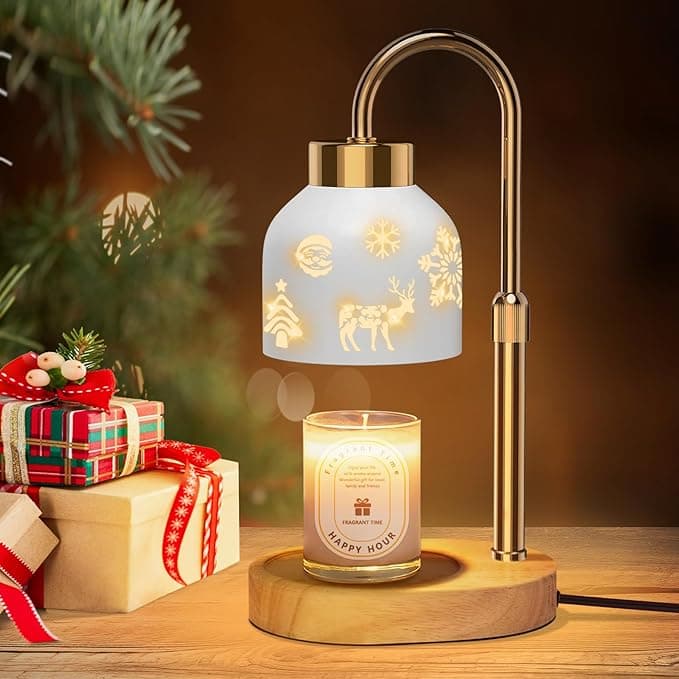 Lukasa Christmas Gifts, Christmas Candle Warmer Lamp, with Timer and Dimmer, Adjustable Height Candle Lamp, Wax Melt Warmer for Scented Jar Candles, Christmas Gifts for Women Mom Girls Teens Adults$19.49$29.9935%
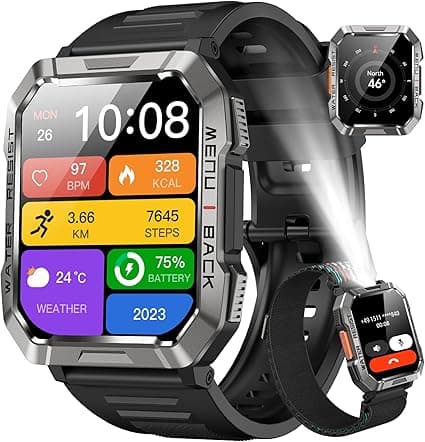 Military Smart Watch for Men(Answer/Make Call), Outdoor Sports Smartwatch with Flashlight/100 Days Battery/Compass/Heart Rate/SpO2/Sleep Monitor/2 Straps, Fitness Tracker for iPhone/Android Phones$22.79$45.5750%
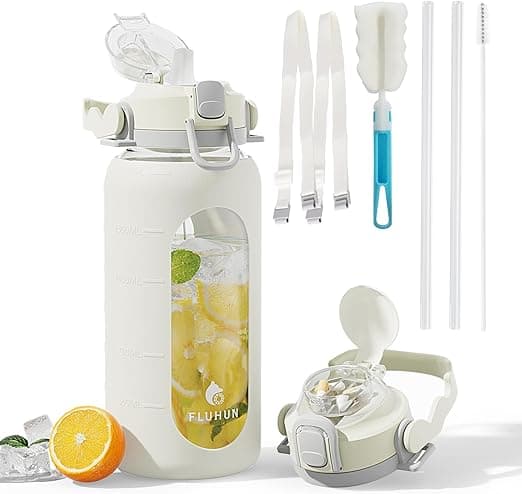 64 Oz Glass Water Bottles with Straw Lid and Handle, Half Gallon Water Bottle Glass with Silicone Sleeve and Strap, Motivational Glass Bottle with Time Marker, Reusable Sport Water Jug (White)$15$29.9950%
 How to Create a Cozy Home on a BudgetDiscover cozy home decorating ideas on a budget and learn affordable home decor tips and interior design tricks to create warmth and style for less
 Sober Networking Build a Career You LoveDiscover smart networking event alternatives to grow your career without the bar tab. Learn to build real connections using coffee chats and digital tools now.
 The Repair Revolution Economics of Making Your Tech LastTech maintenance is the key to making your laptop and phone last five years. Join the repair revolution and save money now. Discover how to fix your tech today.
 Work-Life Balance Top Commuter EssentialsCommuter essentials help you beat traffic stress and stay calm. Discover how to upgrade your daily journey with smart gear and budget tips when you learn more.
 Wear More Spend Less Cost Per Wear TipsDiscover how quality vs quantity fashion can save you money with cost-per-wear strategies learn how to build a lasting wardrobe and shop smart today