
Wake Up Refreshed With These Morning Essentials
We have all been there. The alarm blares, slicing through a pleasant dream. You hit snooze once, then twice, then four times. Suddenly, you’re sprinting through the house with a piece of toast in your mouth, heart pounding, already feeling behind schedule before the day has even properly begun.
This "fight or flight" start is more than just stressful; it sabotages your daily performance. It sets a frantic tone that follows you into every meeting, chore, and interaction. But here is the good news: reclaiming your morning doesn’t require a complete personality transplant or a $500 bedroom makeover.
Creating a calm, productive start to the day requires just a few intentional "anchors"—small changes and tools that reduce friction and guide you from sleep to wakefulness. Here is a guide to the morning routine essentials that actually make a difference, along with smart ways to source them without breaking your budget.
The Science of the "Soft Start":
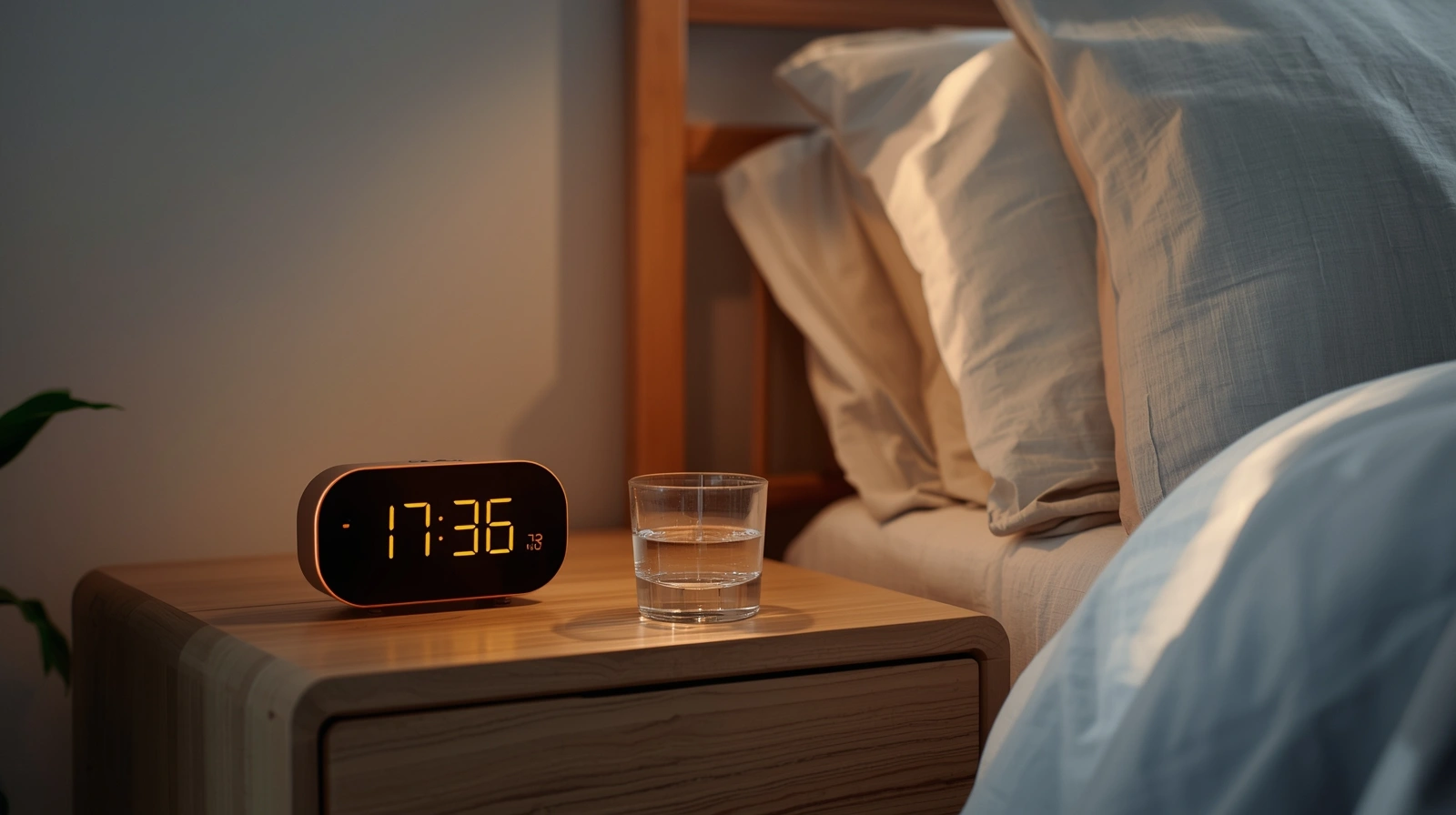
If you are struggling with morning productivity tips, look at your nightstand first. The standard smartphone alarm is designed to startle you awake. This adrenaline spike often leads to "sleep inertia"—that groggy, heavy feeling that can linger for hours.
To combat this, we need to respect our biology. Our bodies are programmed to wake up with light, not noise.
The Gear: Sunrise Simulators A sunrise alarm clock gradually brightens the room over a 30-minute period before your actual alarm time. This light penetrates your eyelids, signaling your brain to stop producing melatonin (the sleep hormone) and start producing cortisol (the energy hormone). By the time the sound plays, you are already physically transitioning to wakefulness.
- Why it works: It aligns with your circadian rhythm, making it one of the best alarm clocks for heavy sleepers who hate the jarring sound of a buzzer.
- The Lifestyle Shift: Move your phone out of the bedroom. This prevents the "doom-scroll" trap where you lose 20 minutes to social media before your feet even hit the floor.
Smart Shopping Tip: You don’t need the expensive, high-end brand name smart lights to get this benefit. Look for "Best Budget" sunrise clocks from brands like JALL or Lexon. Additionally, check the "Warehouse Deals" or "Refurbished" sections on major electronics sites. These units are often open-box returns that function perfectly but cost 30% less.
Streamlining Your Morning Caffeine
For many of us, coffee is less of a beverage and more of a lifeline. But relying on a $7 latte run every morning is a drain on both your wallet and your time. The secret is to shift your mindset from "caffeine as a drug" to "coffee as a ritual."
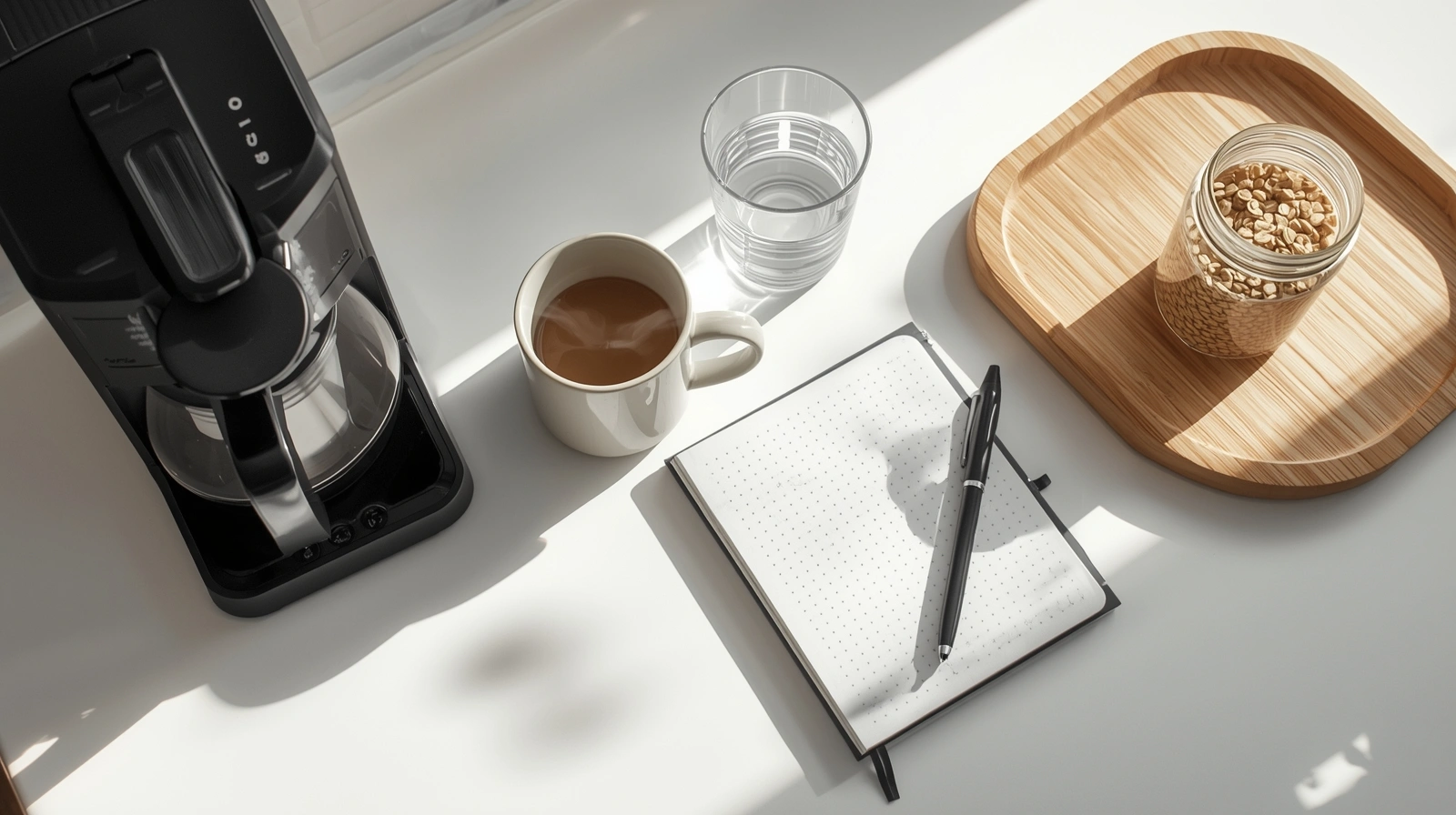
The Gear: Programmable Coffee Makers There is something psychologically powerful about waking up to the smell of fresh coffee. It acts as a sensory reward for getting out of bed.
Why it works: A programmable machine removes a "decision point" from your morning. You don't have to stumble around the kitchen measuring scoops; it’s already done.
The Habit Stack: While the coffee brews (usually 5 minutes), use that time for a micro-habit. Stretch your hamstrings, drink a full glass of water, or simply stand by the window and breathe.
Smart Shopping Tip: When looking for affordable coffee makers for mornings, timing is everything. Kitchen appliances often see deep discounts during holiday weekends or Mother's/Father's Day sales. If you buy beans online, look for subscription-based discounts—many roasters offer 20-30% off your first three orders. Just remember to adjust the delivery frequency so you don't overstock.
The Analog Advantage
In a digital world, an analog start is a superpower. Opening your email inbox immediately upon waking puts you in "reactive" mode—you are instantly solving other people's problems.
The Gear: A Simple Notebook To establish simple morning routines for adults, try the "Brain Dump" technique. Spend five minutes writing down everything that is cluttering your mind: anxieties, to-do lists, or random thoughts.
Why it works: Writing by hand engages the brain differently than typing. It helps clear mental RAM, lowering cortisol levels and helping manage that scattered "where do I start?" feeling often associated with ADHD.
Practical Example: Try "Morning Pages" (three pages of stream-of-consciousness writing) or a simple "Top 3 Priority List" for the day.
Smart Shopping Tip: You don't need a leather-bound, gold-leaf planner. High-quality stationery often hits the clearance rack during "Back to School" sales (August/September) or "End of Year" clearance (January). Alternatively, printable planner pages are a fantastic low-cost option—you can buy a digital file once on a creative marketplace and print it forever.
Designing a Low-Friction Environment
Your "Future Self" will thank you for the work you do the night before. The goal of wake-up routine essentials isn't just about what you buy, but how you arrange your space to reduce friction.
The Strategy: The Night-Before Prep
- The Drop Zone: Lay out your clothes (even if it's just comfortable loungewear) so you don't have to think about what to wear.
- Hydration Station: Place a full water bottle on your nightstand. Hydrating immediately jumpstarts your metabolism.
- The Breakfast Nook: Set out your bowl, spoon, and oats.
The "2-Minute Rule" If a morning task takes less than two minutes (like making the bed or putting away dishes), do it immediately. This builds momentum and gives you a quick "win" to start the day.
Smart Shopping Tip: Resist the urge to buy expensive acrylic organizers. You likely already have what you need. Reuse glass jars for overnight oats or repurpose a basket for your "morning essentials" tray. If you do need wellness staples like herbal tea or vitamins, look for multi-buy discounts (e.g., "Buy 2 Get 1 Free") at drugstores to stock up for the quarter.
Building Your Kit Without the Guilt
Building a mindful morning is about conscious consumption. You shouldn't feel guilty about spending money on things that genuinely improve your daily life, but you also shouldn't overpay.
Here is a framework for upgrading your morning on a budget:
- Phase Your Purchases: Do not buy everything at once. Start with the most impactful change—usually the alarm or the bedding—and wait a month before upgrading the next item.
- Automate Savings: Install a browser extension that automatically scans for coupon codes at checkout. It takes zero effort and often finds hidden 10-15% off codes.
- The "Burner" Email: Sign up for newsletters from your favorite home and wellness brands using a dedicated secondary email address. This allows you to snag those "15% off your first order" codes without clogging your main inbox with daily marketing spam.

Conclusion
Ultimately, the best morning routine essentials aren't the ones that look prettiest on Instagram; they are the ones that support you. Whether that's a sunrise clock that wakes you gently or a simple notebook that clears your head, these tools are investments in your peace of mind.
Balance is found when your gear reduces friction rather than adding a new chore. A mindful morning is a form of self-respect. By making small, intentional changes and shopping smartly, you can create a start to the day that feels as calm as it does productive—leaving you ready to tackle whatever comes next.
Frequently Asked Questions
How long should a mindful morning routine take?
Quality beats quantity every time. A focused, intentional 15-minute routine (hydrate, stretch, plan) is often more effective and sustainable than an hour of forced habits.
Is it better to use a phone alarm or a dedicated clock?
A dedicated clock is generally better because it allows you to leave your phone outside the bedroom, removing the temptation to check emails or social media immediately upon waking.
Can I have a productive morning if I'm not a "morning person"?
Absolutely. Routines can be "low-energy" and still highly effective. Focus on passive anchors like lighting (sunrise alarms) and preparation (clothes laid out) rather than high-intensity activity.
What is the best budget-friendly coffee method for beginners?
The French Press or a Pour-over cone are excellent choices. They have very low entry costs, require no electricity, and turn coffee brewing into a satisfying, hands-on ritual.
 Lukasa Christmas Gifts, Christmas Candle Warmer Lamp, with Timer and Dimmer, Adjustable Height Candle Lamp, Wax Melt Warmer for Scented Jar Candles, Christmas Gifts for Women Mom Girls Teens Adults$19.49$29.9935%
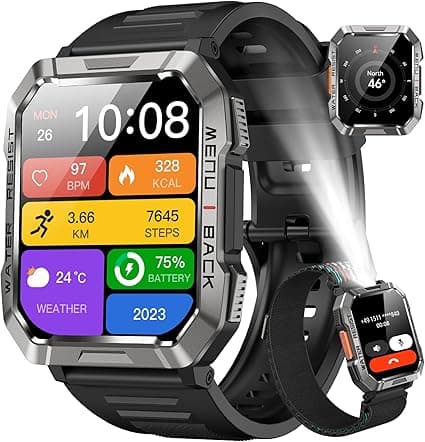 Military Smart Watch for Men(Answer/Make Call), Outdoor Sports Smartwatch with Flashlight/100 Days Battery/Compass/Heart Rate/SpO2/Sleep Monitor/2 Straps, Fitness Tracker for iPhone/Android Phones$22.79$45.5750%
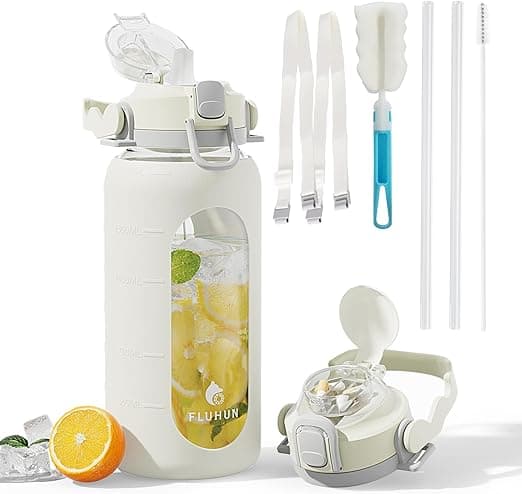 64 Oz Glass Water Bottles with Straw Lid and Handle, Half Gallon Water Bottle Glass with Silicone Sleeve and Strap, Motivational Glass Bottle with Time Marker, Reusable Sport Water Jug (White)$15$29.9950%
 How to Create a Cozy Home on a BudgetDiscover cozy home decorating ideas on a budget and learn affordable home decor tips and interior design tricks to create warmth and style for less
 Sober Networking Build a Career You LoveDiscover smart networking event alternatives to grow your career without the bar tab. Learn to build real connections using coffee chats and digital tools now.
 The Repair Revolution Economics of Making Your Tech LastTech maintenance is the key to making your laptop and phone last five years. Join the repair revolution and save money now. Discover how to fix your tech today.
 Work-Life Balance Top Commuter EssentialsCommuter essentials help you beat traffic stress and stay calm. Discover how to upgrade your daily journey with smart gear and budget tips when you learn more.
 Wear More Spend Less Cost Per Wear TipsDiscover how quality vs quantity fashion can save you money with cost-per-wear strategies learn how to build a lasting wardrobe and shop smart today