
Skincare on a Budget Save Money with Coupons and Deals
Skincare does not need to be expensive to be effective. In recent years, consumers have become more informed, selective, and price-conscious—especially as inflation, subscription fatigue, and rising daily expenses reshape household budgets. Instead of reacting to trends or influencer-driven routines, shoppers are increasingly evaluating skincare through the lens of value, safety, and long-term results.
At the same time, the beauty industry has quietly improved transparency. Ingredient lists are easier to understand, dermatology-backed formulations are more accessible, and verified discounts are widely available through official channels. These shifts have made skincare on a budget a realistic and sustainable approach rather than a compromise.
This guide explains how to build and maintain skincare on a budget using realistic strategies, verified coupons, and smart deal evaluation—without compromising skin health, safety, or consistency.
Quick Ways to Save Money on Skincare
Before diving deeper, a few core habits form the foundation of effective budget skincare:
- Focus on essential products instead of full multi-step routines
- Buy skincare only during planned sales or coupon periods
- Choose drugstore brands for cleansers, moisturizers, and sunscreen
- Avoid stockpiling products you cannot finish before expiration
- Track what actually works before repurchasing
When followed consistently, these habits reduce waste, prevent impulse spending, and support better skincare outcomes over time.
Why Budget Skincare Matters More Than Ever
Skincare on a budget has become a practical necessity rather than a niche choice. As living costs rise, consumers are reassessing discretionary spending, including beauty and personal care.
Rising household expenses have significantly reduced impulse beauty purchases, pushing shoppers to prioritize necessity over novelty. At the same time, improved ingredient awareness has weakened the influence of marketing-heavy claims. Drugstore and mid-range formulations have advanced noticeably, and access to coupons, loyalty programs, and seasonal sales has become easier to compare and verify.
Rather than abandoning skincare altogether, consumers are becoming more deliberate. The emphasis has shifted from owning many products to maintaining a routine that works both financially and physically.
Understanding Real Value in Skincare
Before focusing on coupons and deals, it is essential to understand what truly drives skincare results.
What Really Matters in Skincare Performance
Real value in skincare depends primarily on ingredient relevance, consistent use, and compatibility with individual skin type. A well-formulated product that fits naturally into a daily routine often delivers better results than a higher-priced alternative used inconsistently. For example, a $10 cleanser used correctly every day may outperform a $40 cleanser used sporadically.
What Often Inflates Skincare Prices
Skincare prices are often inflated by factors unrelated to performance. Luxury packaging, influencer and celebrity marketing, and brand positioning frequently add cost without improving formulation quality. Price alone does not determine effectiveness—value comes from how reliably a product supports your routine.
How to Compare Products at Different Price Points
When comparing products, it helps to evaluate ingredient lists, avoid unnecessary fragrance or colorants, compare cost per use rather than sticker price, and confirm whether the formula addresses your actual skin concern. This approach allows you to judge deals objectively rather than emotionally.
Building a Simple, Cost-Effective Skincare Routine

Building skincare on a budget starts with simplicity. An effective routine does not require overlapping products or luxury branding. When essentials are chosen carefully, budget skincare routines deliver consistent results at a lower cost.
Essential Steps in a Budget Skincare Routine
An effective skincare routine does not need many products. A gentle cleanser removes dirt, oil, and daily buildup without stripping the skin, and affordable drugstore formulas are often sufficient for daily use. A moisturizer supports the skin barrier and prevents moisture loss, with budget-friendly options containing glycerin or ceramides performing reliably when used consistently. Sunscreen protects against long-term damage and premature aging, and purchasing it during seasonal sales helps reduce cost while maintaining regular use. Treatment products should remain optional and targeted, with only one active ingredient used at a time to minimize irritation and unnecessary spending.
Fewer products lead to fewer purchases, better consistency, and stronger budget control over time.
Adjusting Your Routine Seasonally
Seasonal adjustments also play an important role. Lightweight products often work better during humid months, while barrier-repair formulations help prevent dryness in colder seasons. Adjusting products thoughtfully instead of adding more prevents future corrective costs.
How Skin Type Affects Budget Skincare Decisions
Skin type strongly influences how much people spend—and overspend—on skincare.
Oily and Acne-Prone Skin
Those with oily or acne-prone skin often over-treat with multiple products, increasing irritation and cost. In most cases, a simple routine consisting of a cleanser, one targeted treatment, and sunscreen works better than layering several actives.
Dry Skin
Dry skin is frequently under-moisturized, leading to barrier damage that later requires corrective products. Investing early in a basic, effective moisturizer can prevent higher expenses later.
Sensitive Skin
Sensitive skin presents a different challenge. Trial-and-error is expensive, and frequent product switching increases waste. Choosing fragrance-free, minimal formulations reduces product failures and long-term costs.
Matching skincare choices to skin type reduces both financial strain and physical irritation.
How Coupons Fit into Smart Skincare Spending
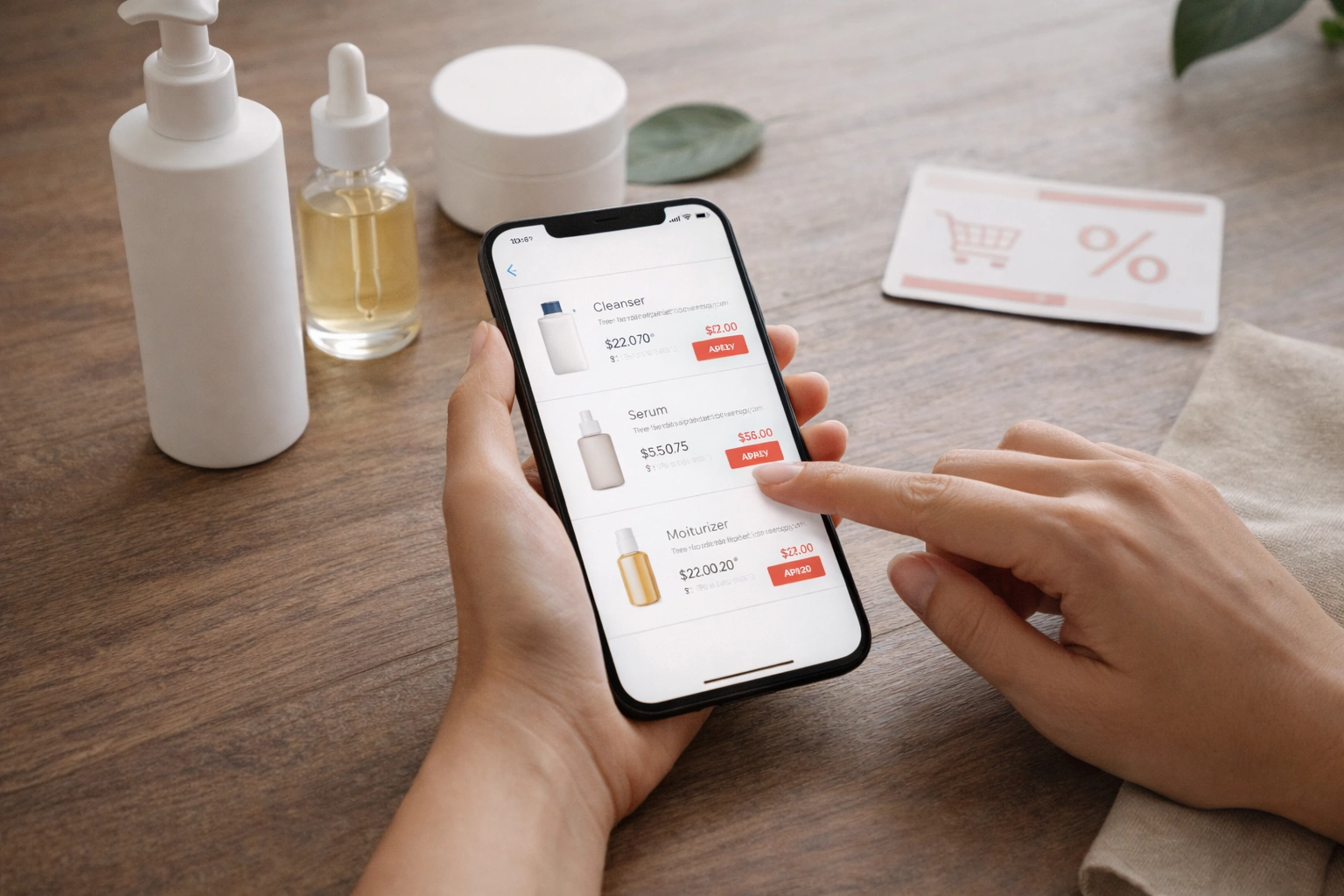
Coupons are effective only when applied to planned purchases rather than impulse buys.
Common Types of Skincare Coupons
- Percentage discounts
- Fixed-amount promotions
- Buy-one-get-one offers
- Loyalty reward redemptions
- First-order promo codes
When used strategically, these tools lower routine costs without encouraging unnecessary purchases.
Why Bigger Discounts Are Not Always Better
A 40% discount on a product you do not need costs more than a 10% discount on an essential item. Evaluating deals based on routine relevance rather than percentage prevents overspending.
Where to Find Reliable Skincare Coupons and Deals
The safest and most reliable skincare discounts come from official brand websites and newsletters, pharmacy and beauty retailer apps, loyalty program dashboards, and seasonal clearance events.
Random coupon blogs with unverified codes should be avoided. Expired or fake discounts waste time and can create checkout frustration.
Timing Your Purchases for Maximum Savings
Timing matters as much as the coupon itself. The most cost-effective times to buy skincare usually align with seasonal clearance periods, new product launches that discount older versions, loyalty reward cycles, and subscription renewal windows. Planning purchases around these periods reduces the need for emergency buying at full price.
How to Evaluate Deals Without Overbuying
Not every discount is worth taking. Before purchasing, it helps to ask a few practical questions:
- Is this product part of my regular routine?
- Will I finish it before the expiration date?
- Is the discount better than my last purchase price?
If the answer is no, skipping the deal protects both your budget and your routine.
Drugstore Skincare vs High-End Products
For anyone practicing skincare on a budget, the performance gap between drugstore and premium skincare matters far less than it once did.
When Drugstore Skincare Makes Sense
Drugstore products are particularly effective for cleansers, moisturizers, sunscreens, and acne treatments.
When Spending Slightly More Can Be Worth It
Spending slightly more may be justified for prescription-strength treatments, highly sensitive-skin formulations, or dermatologist-recommended actives. Smart budgeting is about selective spending—not blanket cost-cutting.
Using Loyalty Programs Strategically
Loyalty programs reward consistency, not volume. Concentrating purchases on one or two retailers, redeeming points only on essentials, and stacking loyalty rewards with coupons when permitted leads to meaningful savings. Spreading purchases across many programs often reduces real value.
Subscription Services Worth It or Not
Subscriptions can help or hurt a skincare budget depending on usage habits.
When Subscriptions Save Money
Subscriptions work best for daily-use essentials with predictable replacement cycles and flexible cancellation policies.
When Subscriptions Cost More
Subscriptions often cost more when applied to trend-driven products, multi-product boxes, or routines with poor usage tracking. Subscriptions should support your routine, not control it.
Budget Skincare Mistakes to Avoid
Many consumers overspend unintentionally. Buying backups too early, chasing limited-time offers, mixing too many active ingredients, and ignoring expiration dates all increase waste and long-term costs. Slower, more deliberate decisions improve both savings and skin health.
Ingredient Literacy Saves Money Long-Term
Understanding basic skincare ingredients reduces dependence on branding. Glycerin supports hydration, niacinamide strengthens the skin barrier, salicylic acid helps manage acne, and zinc oxide provides reliable sun protection. These ingredients appear across many affordable skincare products.
Sample Monthly Budget Skincare Plan
A monthly skincare budget works best when spending is spread across essential categories rather than concentrated in one purchase. Cleansers usually fall into the low-cost range and last several weeks, making pharmacy sales ideal. Moisturizers often cost slightly more, but loyalty rewards can reduce the effective price. Sunscreen requires regular replacement, and seasonal promotions help lower cost per unit. Treatment products vary in price and should be purchased only when needed using verified coupons.
This approach keeps skincare expenses balanced, reduces impulse spending, and avoids large one-time costs.
Final Thoughts
Skincare on a budget is not about shortcuts. It is about clarity, planning, and informed decision-making. Coupons and deals are tools—not strategies on their own.
When paired with ingredient knowledge, routine discipline, and thoughtful purchasing, budget skincare allows consumers to care for their skin responsibly without financial strain. Effective skincare is built over time, and smart savings make that journey sustainable.
Frequently Asked Questions
1. Is cheap skincare effective?
Yes. Effectiveness depends on ingredients and consistent use—not price.
2. Are skincare coupons safe to use?
Yes, when sourced from official brands or verified retailers.
3. How often do skincare brands offer deals?
Most brands run promotions several times per year, especially seasonally.
4. Can budget skincare work for sensitive skin?
Yes. Many gentle formulations are affordable and widely available.
5. Does minimalist skincare really save money?
Yes. Fewer products reduce waste and improve consistency.
 Lukasa Christmas Gifts, Christmas Candle Warmer Lamp, with Timer and Dimmer, Adjustable Height Candle Lamp, Wax Melt Warmer for Scented Jar Candles, Christmas Gifts for Women Mom Girls Teens Adults$19.49$29.9935%
 Military Smart Watch for Men(Answer/Make Call), Outdoor Sports Smartwatch with Flashlight/100 Days Battery/Compass/Heart Rate/SpO2/Sleep Monitor/2 Straps, Fitness Tracker for iPhone/Android Phones$22.79$45.5750%
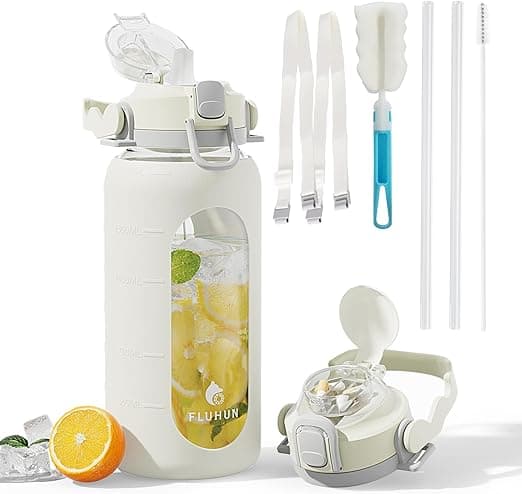 64 Oz Glass Water Bottles with Straw Lid and Handle, Half Gallon Water Bottle Glass with Silicone Sleeve and Strap, Motivational Glass Bottle with Time Marker, Reusable Sport Water Jug (White)$15$29.9950%
 How to Create a Cozy Home on a BudgetDiscover cozy home decorating ideas on a budget and learn affordable home decor tips and interior design tricks to create warmth and style for less
 Sober Networking Build a Career You LoveDiscover smart networking event alternatives to grow your career without the bar tab. Learn to build real connections using coffee chats and digital tools now.
 The Repair Revolution Economics of Making Your Tech LastTech maintenance is the key to making your laptop and phone last five years. Join the repair revolution and save money now. Discover how to fix your tech today.
 Work-Life Balance Top Commuter EssentialsCommuter essentials help you beat traffic stress and stay calm. Discover how to upgrade your daily journey with smart gear and budget tips when you learn more.
 Wear More Spend Less Cost Per Wear TipsDiscover how quality vs quantity fashion can save you money with cost-per-wear strategies learn how to build a lasting wardrobe and shop smart today