
How to Start a Productive Home Vegetable Garden Easy Guide
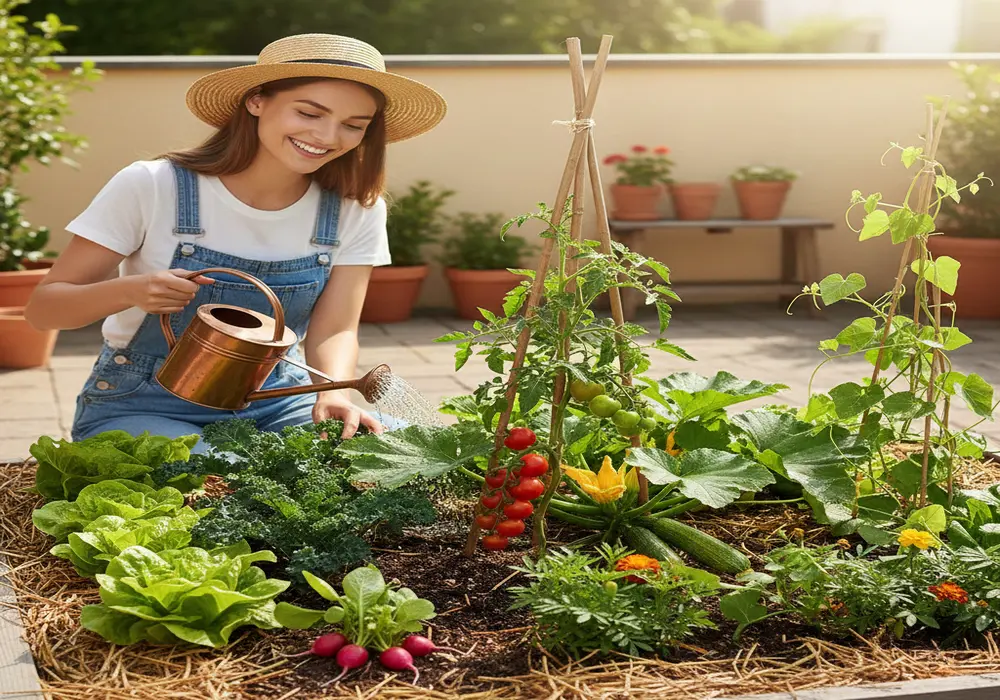
It is a common misconception that you need acres of land or a "green thumb" born of years of experience to grow your own food. In an era where grocery prices are rising and the quality of mass-produced produce is declining, the idea of a home garden has shifted from a hobby to a rewarding lifestyle choice. Whether you have a sprawling backyard or a tiny apartment balcony, the ability to cultivate your own vegetables is within your reach.
This piece of writing delves into the essential steps of site selection, soil preparation, seed starting, and sustainable maintenance. By the end of this guide, you will have a clear roadmap to transform a patch of dirt (or a few pots) into a thriving source of fresh, organic nutrition.
1. Setting the Foundation: Planning and Site Selection
Before you pick up a shovel, the most critical step is planning. A garden’s success is 90% determined by where it is placed and what is planted.
Identify the Best Location
Vegetables are "sun-hungry" organisms.1 Most edible plants require at least 6 to 8 hours of direct sunlight daily.2 For US-based gardeners, it is also essential to check your specific USDA Hardiness Zone to determine which vegetables thrive best in your local climate throughout the year. If your garden is in the shade, your plants will become "leggy"—stretching for light rather than producing fruit.
- Sun Orientation: In the northern hemisphere, a south-facing spot usually gets the most consistent light.3
- Water Access: Ensure your garden is within reach of a hose. If watering becomes a chore because the source is too far away, the garden will likely be neglected during heat waves.
- Level Ground: Avoid steep slopes where water runoff can wash away seeds and erode your soil.4
Choose Your Gardening Style
There is no one-size-fits-all approach to home gardening. Depending on your space, you should choose one of the following:
- In-Ground Beds: The traditional method. Great for large spaces but requires more physical labor for weeding.
- Raised Beds: Wooden or metal frames filled with soil. They offer better drainage, fewer weeds, and are easier on your back.
- Container Gardening: Perfect for balconies or patios.5 You can grow almost anything—from tomatoes to lettuce—in pots.
2. The Secret is in the Soil: Preparation and Nutrition
Understanding Soil Texture
Good garden soil should be loamy—a balance of sand, silt, and clay that holds moisture but drains well.6 If your soil is too "heavy" (clay), water will sit and rot the roots. If it’s too "sandy," water will run straight through, leaving the plant thirsty.7
The Power of Organic Matter
The best way to improve any soil is by adding compost. Compost introduces beneficial bacteria, fungi, and nutrients.8
- Actionable Move: Mix 3–4 inches of well-aged compost or manure into the top 6 inches of your soil before planting. This creates a "nutrient bank" that plants can draw from throughout the season.
Testing pH Levels
Different plants prefer different acidity levels. Most vegetables thrive in a slightly acidic to neutral pH (9$6.0$ to 10$7.0$).11 You can buy a simple DIY testing kit at any garden center to see if you need to add lime (to raise pH) or sulfur (to lower it).
3. Selecting the Right Crops for Beginners
It is tempting to try and grow everything at once. However, for your first year, focus on "high-reward" crops that are easy to manage.
Start Small and Seasonal
Don't plant more than you can eat or maintain. A small, well-tended garden is much more productive than a large, weed-choked one.
- Lettuce/Greens Planting Season: Cool (Spring/Fall) Light Requirement: Partial Sun
- Tomatoes Planting Season: Warm (Summer) Light Requirement: Full Sun
- Zucchini/Squash Planting Season: Warm (Summer) Light Requirement: Full Sun
- Radishes Planting Season: Cool (Spring/Fall) Light Requirement: Full Sun
- Bush Beans Planting Season: Warm (Summer) Light Requirement: Full Sun
Seeds vs. Transplants
- Seeds: Cheaper and offer more variety. Best for root vegetables (carrots, radishes) and beans.
- Transplants (Seedlings): Buying young plants from a nursery. This gives you a "head start" and is highly recommended for beginners growing tomatoes, peppers, and eggplants.
4. Planting Techniques and Spacing
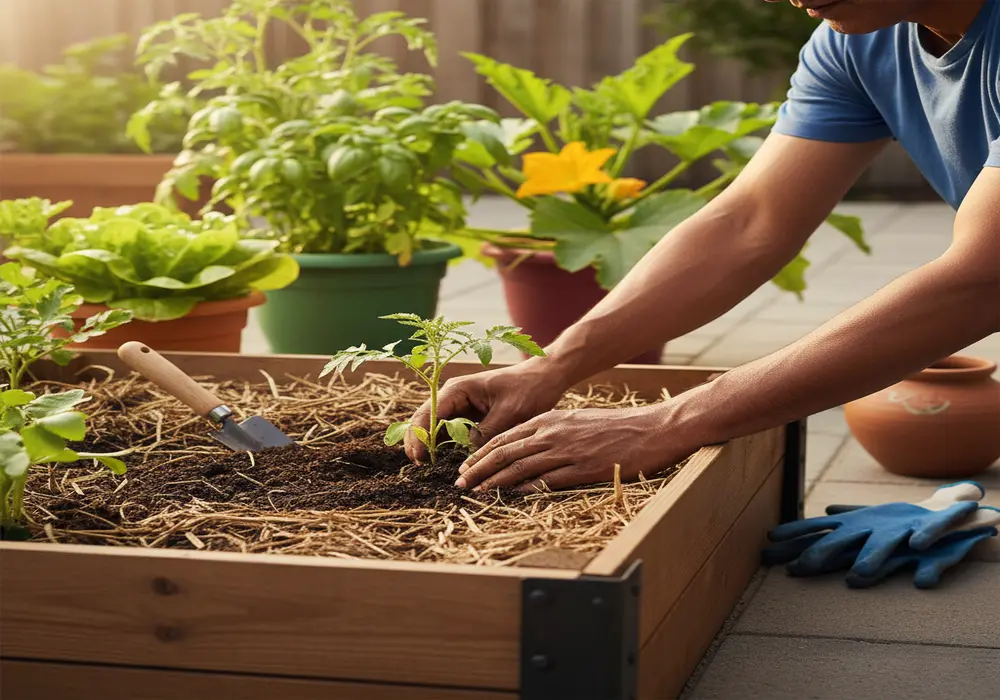
How you put the plants in the ground determines how much "competition" they face for nutrients and airflow.
Follow the Seed Packet
Every seed packet is a miniature instruction manual. Pay close attention to:
- Planting Depth: Usually, a seed should be planted at a depth twice its diameter.12
- Spacing: If plants are too close, they will fight for air, leading to mold and fungal diseases.
Companion Planting
This is the "buddy system" of gardening. Certain plants grow better together.
- Classic Example: The "Three Sisters" (Corn, Beans, and Squash).13 The corn provides a pole for beans to climb, the beans add nitrogen to the soil, and the squash leaves shade the ground to keep it moist.
- Pest Repellent: Plant Marigolds near your tomatoes to help keep harmful insects away.14
5. Maintenance: Water, Weeds, and Mulch
A garden is not a "set it and forget it" project. Consistency is the key to a heavy harvest.
Watering Wisdom
The biggest killer of home gardens is improper watering.
- Deep Watering: Instead of a light sprinkle every day, give your garden a deep soak 2–3 times a week. This encourages roots to grow deep into the earth.
- Timing: Always water in the early morning. This allows the leaves to dry during the day, preventing fungal growth.
The Magic of Mulch
Mulching is the act of covering the soil with straw, wood chips, or dried leaves.15
- Benefits: It suppresses weeds, retains moisture so you water less, and as it breaks down, it improves soil quality.
Weed Control
Weeds are "nutrient thieves."16 They grow faster than vegetables and will steal the water and fertilizer meant for your crops. Spend 10 minutes every day pulling small weeds; this prevents them from becoming a massive weekend chore.
6. Managing Pests and Diseases Naturally
Eventually, bugs will find your garden. The goal isn't to kill every bug, but to manage the "bad" ones while keeping the "good" ones (like bees and ladybugs).17
- Hand-Picking: For larger pests like tomato hornworms, simply picking them off and dropping them in soapy water is the most effective method.18
- Neem Oil: A natural, organic spray that disrupts the life cycle of many harmful insects without being toxic to humans.
- Encourage Biodiversity: Plant flowers like sunflowers and zinnias to attract predatory insects that eat the "bad" bugs for you.19
7. Harvesting and Long-Term Success
The most rewarding part of the journey is the harvest. Knowing when to pick is an art.
Pick Early and Often
Many vegetables, like zucchini, cucumbers, and beans, will stop producing fruit if the old fruit is left to get too big. By harvesting frequently, you "trick" the plant into producing more.
Record Keeping
Keep a small garden journal. Write down what worked and what didn't.
- Did the "Early Girl" tomatoes taste better than the "Cherry" ones? * Did the aphids attack the kale in June?
This data is your most valuable tool for next year’s garden.
8. Developing a Sustainable Gardening Mindset
Gardening is a marathon, not a sprint. It is a relationship with nature that requires patience.
- Accept Failure: Some plants will die. It might be the weather, a bug, or just bad luck. Don't let it discourage you; treat it as a lesson.
- Physical Wellness: View gardening as a low-impact workout. It improves flexibility and provides Vitamin D from the sun.
- Mental Peace: Use your time in the garden as a "digital detox." Leave your phone inside and focus on the feeling of the soil and the sound of the birds.
Conclusion
Starting a vegetable garden at home is one of the most empowering decisions you can make. It bridges the gap between the food on your plate and the earth it came from. By focusing on quality soil, choosing the right plants, and maintaining a consistent routine, you can enjoy a bounty of fresh produce that far exceeds the quality of any store-bought alternative. Remember, every master gardener started with a single seed. Start small, stay curious, and watch your life—and your garden—grow.
Frequently Asked Questions
1. How much money does it cost to start a small garden?
A basic garden can be started for under $50 if you use seeds and DIY compost. The main costs are quality soil and a few basic tools like a trowel and a watering can.
2. Can I grow vegetables in the shade?
A: While most vegetables need full sun, leafy greens (spinach, lettuce, kale) and root vegetables (carrots, beets) can tolerate partial shade (3–4 hours of sun).20
3. What is the easiest vegetable for a total beginner?
A: Radishes and Lettuce are the easiest. They grow very quickly (radishes can be ready in 25 days) and have very few pest problems.
4. How often should I fertilize my plants?
A: If you have rich compost in your soil, you may only need to fertilize once a month with a balanced organic liquid fertilizer. Over-fertilizing can actually hurt the plant’s ability to produce fruit.
 Lukasa Christmas Gifts, Christmas Candle Warmer Lamp, with Timer and Dimmer, Adjustable Height Candle Lamp, Wax Melt Warmer for Scented Jar Candles, Christmas Gifts for Women Mom Girls Teens Adults$19.49$29.9935%
 Military Smart Watch for Men(Answer/Make Call), Outdoor Sports Smartwatch with Flashlight/100 Days Battery/Compass/Heart Rate/SpO2/Sleep Monitor/2 Straps, Fitness Tracker for iPhone/Android Phones$22.79$45.5750%
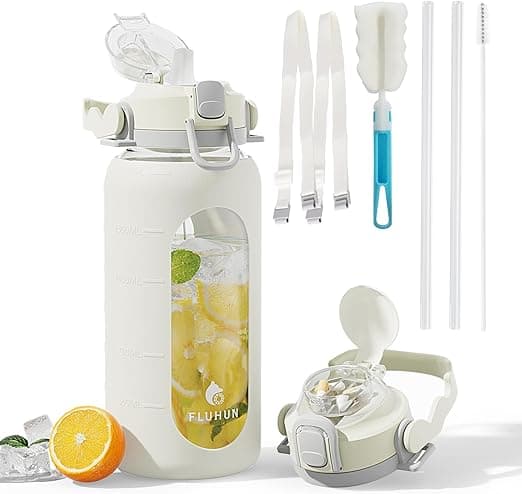 64 Oz Glass Water Bottles with Straw Lid and Handle, Half Gallon Water Bottle Glass with Silicone Sleeve and Strap, Motivational Glass Bottle with Time Marker, Reusable Sport Water Jug (White)$15$29.9950%
 How to Create a Cozy Home on a BudgetDiscover cozy home decorating ideas on a budget and learn affordable home decor tips and interior design tricks to create warmth and style for less
 Sober Networking Build a Career You LoveDiscover smart networking event alternatives to grow your career without the bar tab. Learn to build real connections using coffee chats and digital tools now.
 The Repair Revolution Economics of Making Your Tech LastTech maintenance is the key to making your laptop and phone last five years. Join the repair revolution and save money now. Discover how to fix your tech today.
 Work-Life Balance Top Commuter EssentialsCommuter essentials help you beat traffic stress and stay calm. Discover how to upgrade your daily journey with smart gear and budget tips when you learn more.
 Wear More Spend Less Cost Per Wear TipsDiscover how quality vs quantity fashion can save you money with cost-per-wear strategies learn how to build a lasting wardrobe and shop smart today