
How to Build Long-Term Habits The Ultimate Guide
We are what we repeatedly do. Excellence, then, is not an act, but a habit. Most people believe that change requires a massive burst of willpower or a complete life overhaul overnight. However, the reality of human psychology is different. Real, lasting change is the result of small, incremental decisions that compound over time.
In this guide, we will dive deep into the mechanics of habit formation, why most people fail, and the proven scientific strategies to make your habits stick for a lifetime.
Understanding the Anatomy of a Habit: The Habit Loop
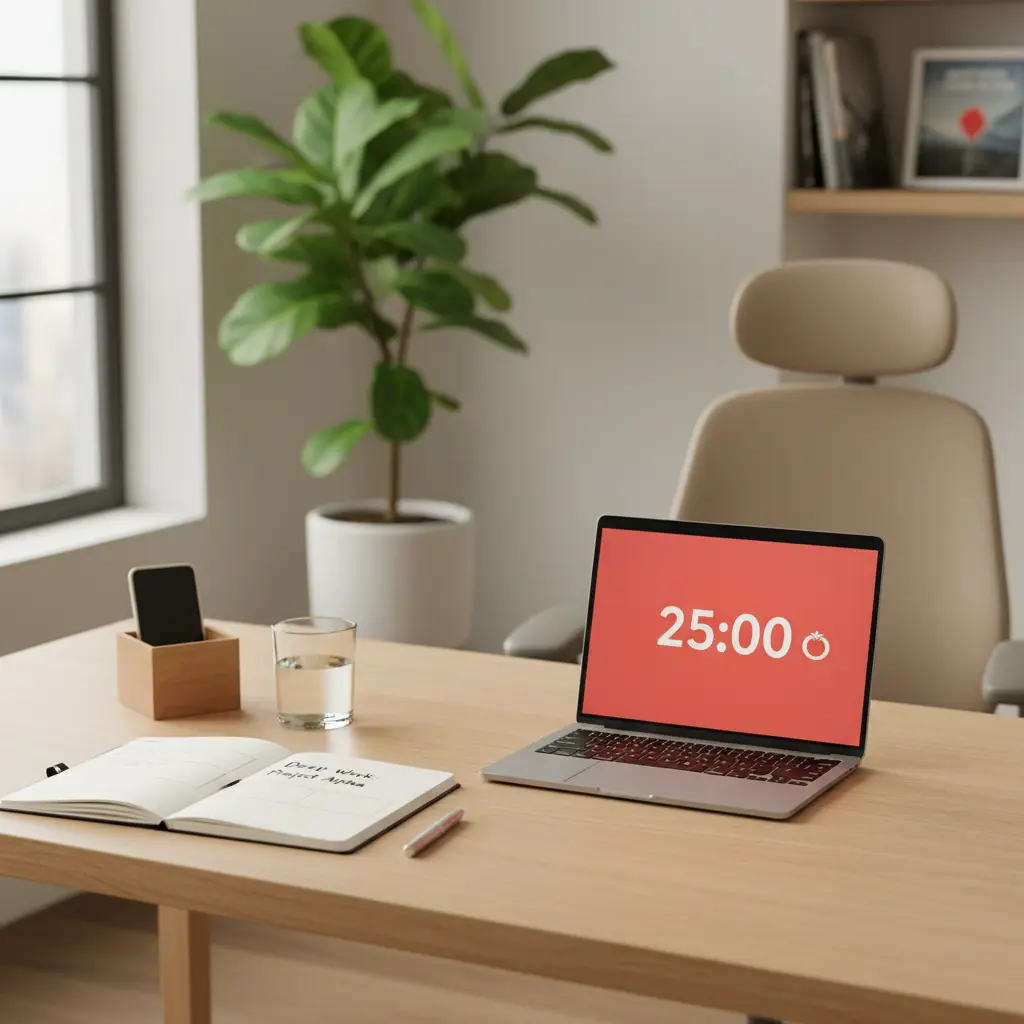
To change your behavior long-term, you must first understand how the brain processes actions. Researchers at MIT discovered a simple neurological loop at the core of every habit.
- The Cue: A trigger that tells your brain to go into automatic mode and which habit to use.
- The Routine: The physical, mental, or emotional action you take.
- The Reward: A positive signal that helps your brain figure out if this particular loop is worth remembering for the future
Why Most Habits Fail within 30 Days
Statistics show that nearly 80% of New Year’s resolutions fail by February. Why?
- The Over-Ambition Trap: Attempting to go to the gym for 2 hours every day when you haven't exercised in years.
- Focusing on Outcomes, Not Identity: Focusing on "losing 20 pounds" instead of "becoming the type of person who never misses a workout."
- Lack of Environmental Design: Trying to eat healthy while your kitchen is filled with processed snacks.
- The "All-or-Nothing" Mentality: Thinking that if you miss one day, the entire habit is ruined.
Proven Strategies for Long-Term Habit Success
A. The Two-Minute Rule
When you start a new habit, it should take less than two minutes to do.
- "Read before bed" becomes "Read one page."
- "Do 30 minutes of yoga" becomes "Take out my yoga mat."
The goal is to master the art of showing up. Once you start, it is much easier to continue.
B. Habit Stacking
The best way to form a new habit is to tie it to an existing one. Use the formula:
After [Current Habit], I will [New Habit].
- Example: After I pour my morning coffee, I will meditate for one minute.
- Example: After I sit down for dinner, I will say one thing I’m grateful for.
C. Design for Laziness (Environmental Design)
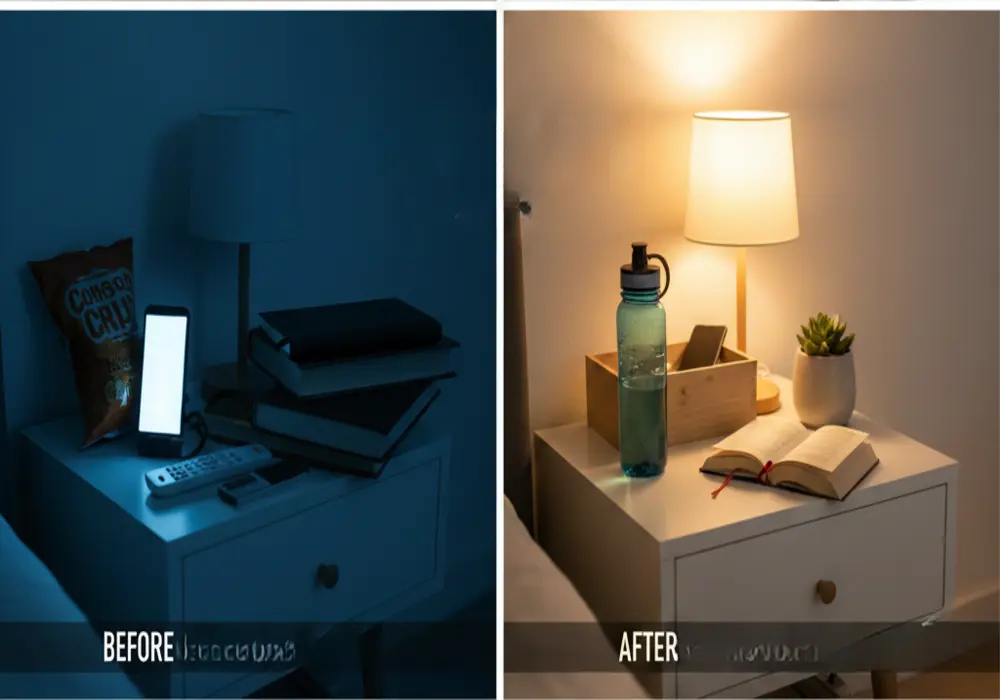
Willpower is a finite resource. Don't rely on it. Instead, change your environment to make good habits easy and bad habits hard.
- To drink more water: Place a full bottle on your desk every morning.
- To stop scrolling on your phone: Put the phone in another room 1 hour before bed.
D. Identity-Based Habits
True behavior change is identity change. Instead of saying "I am trying to quit smoking," say "I am a non-smoker." When you believe a habit is part of who you are, you no longer feel like you are "trying" to do something; you are simply acting like yourself.
Overcoming the "Plateau of Latent Potential"
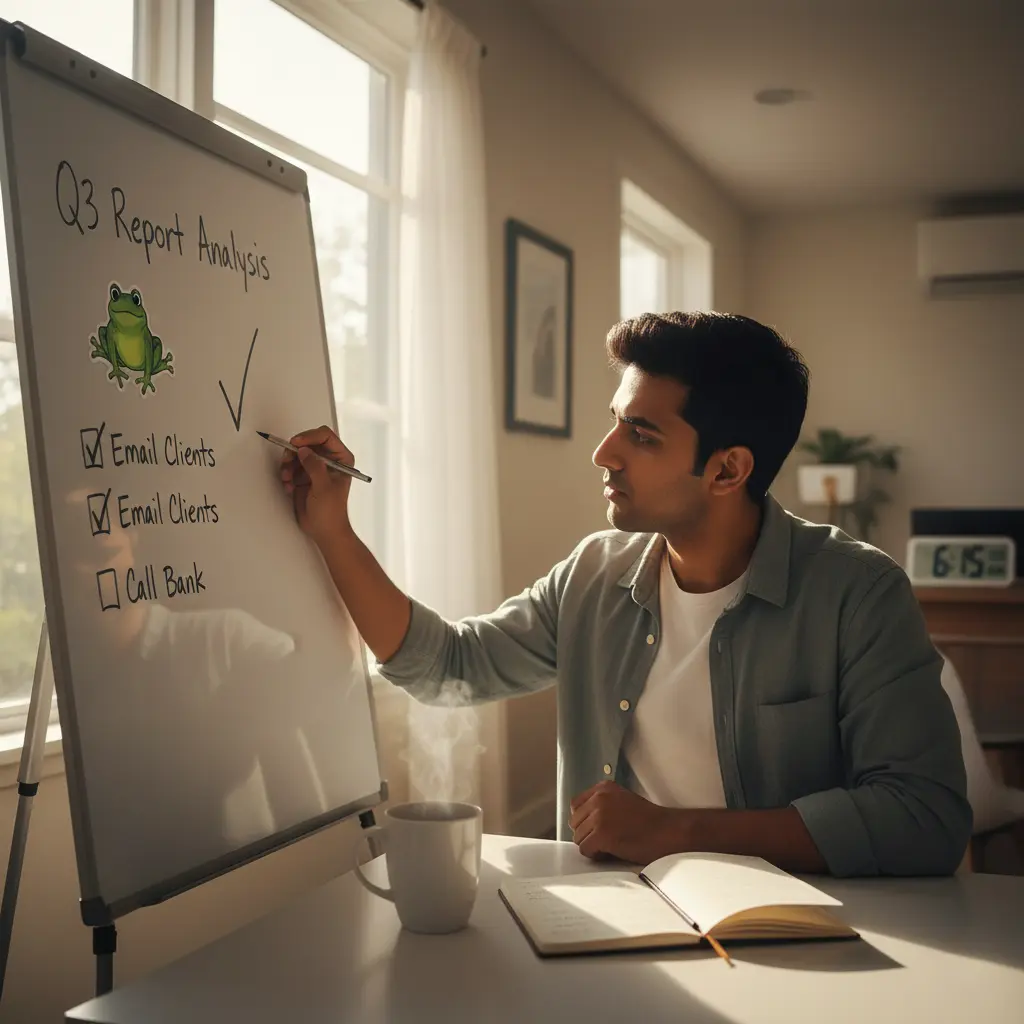
Many people quit because they don't see results immediately. This is known as the "Valley of Disappointment."
In the beginning, you are making progress, but it is "stored." You don't see the results until you cross a certain threshold. Think of an ice cube in a room that is -5 degrees. If you heat the room to -1 degree, nothing happens. But at 0 degrees, it starts to melt. The previous degrees weren't wasted; they were preparation.
Tracking Your Progress
Visual evidence of progress is a powerful dopamine trigger.
- Use a Habit Tracker: Crossing off a day on a calendar creates a visual "chain." Your only job is not to break the chain.
- Focus on the Streak: The psychological urge to keep a streak alive often outweighs the laziness of a single day.
Conclusion
The Power of Small Wins
Long-term habits are not about perfection; they are about consistency. If you get 1% better each day for one year, you will end up thirty-seven times better by the time you’re done. Stop looking for "hacks" and start looking for small ways to improve your systems.
Frequently Asked Questions
Q1. How long does it actually take to form a habit?
A: While the popular myth says 21 days, a study from University College London found that it takes an average of 66 days for a behavior to become automatic.
Q2. What should I do if I miss a day?
A: The "Never Miss Twice" rule is vital. Missing one day is an accident; missing two days is the start of a new habit. If you miss a day, get back on track immediately.
Q3. Can I build multiple habits at once?
It is highly recommended to focus on one "Keystone Habit" (like exercise or meditation) at a time. Once that becomes automatic (usually after 2 months), add the next one.
Q4. Why is environmental design more important than willpower?
A: Willpower is like a muscle—it gets tired by the end of the day. Environmental design is permanent. It works even when you are tired, stressed, or unmotivated.
 Lukasa Christmas Gifts, Christmas Candle Warmer Lamp, with Timer and Dimmer, Adjustable Height Candle Lamp, Wax Melt Warmer for Scented Jar Candles, Christmas Gifts for Women Mom Girls Teens Adults$19.49$29.9935%
 Military Smart Watch for Men(Answer/Make Call), Outdoor Sports Smartwatch with Flashlight/100 Days Battery/Compass/Heart Rate/SpO2/Sleep Monitor/2 Straps, Fitness Tracker for iPhone/Android Phones$22.79$45.5750%
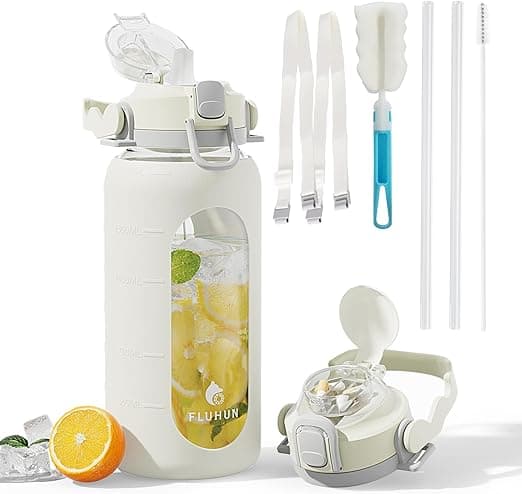 64 Oz Glass Water Bottles with Straw Lid and Handle, Half Gallon Water Bottle Glass with Silicone Sleeve and Strap, Motivational Glass Bottle with Time Marker, Reusable Sport Water Jug (White)$15$29.9950%
 How to Create a Cozy Home on a BudgetDiscover cozy home decorating ideas on a budget and learn affordable home decor tips and interior design tricks to create warmth and style for less
 Sober Networking Build a Career You LoveDiscover smart networking event alternatives to grow your career without the bar tab. Learn to build real connections using coffee chats and digital tools now.
 The Repair Revolution Economics of Making Your Tech LastTech maintenance is the key to making your laptop and phone last five years. Join the repair revolution and save money now. Discover how to fix your tech today.
 Work-Life Balance Top Commuter EssentialsCommuter essentials help you beat traffic stress and stay calm. Discover how to upgrade your daily journey with smart gear and budget tips when you learn more.
 Wear More Spend Less Cost Per Wear TipsDiscover how quality vs quantity fashion can save you money with cost-per-wear strategies learn how to build a lasting wardrobe and shop smart today